Wednesday, May 21, 2025

Japan's Greatest Natural Hazard's


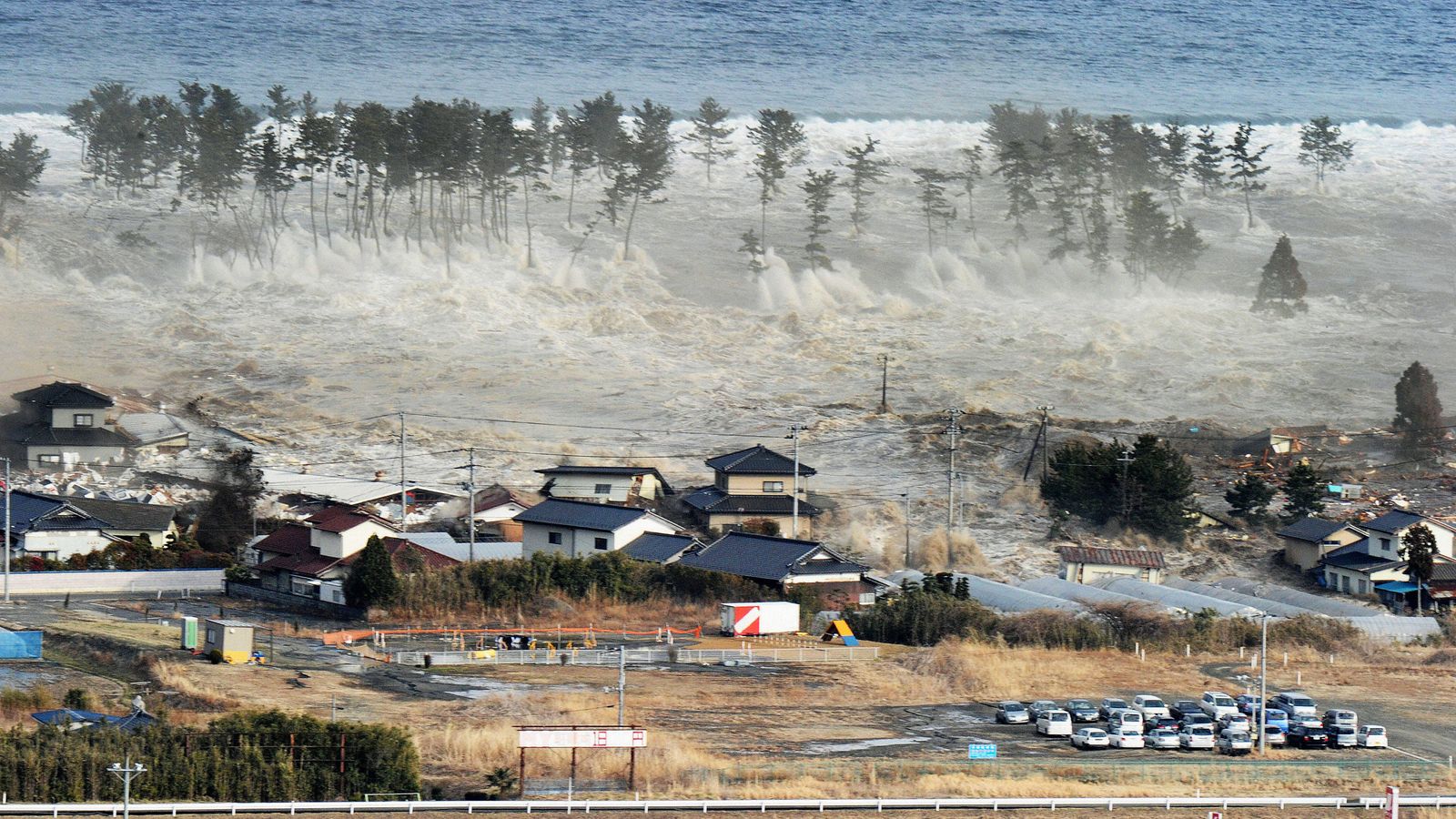
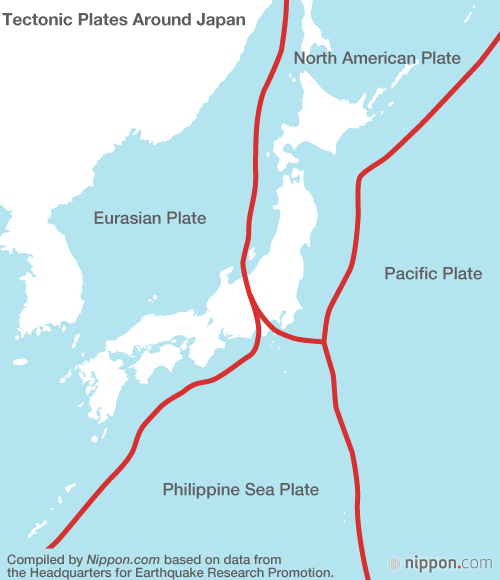
Japan is a beautiful country known for its amazing culture, technology, and nature. But it is also one of the most active places in the world when it comes to natural disasters. The two biggest dangers in Japan are earthquakes and tsunamis. These happen often because Japan is located in the Pacific Ring of Fire and sits on the intersection of four tectonic plates. These plates are constantly in motion, causing them to constantly be in friction with one another, causing the ground to shake, and causing earthquakes. Because Japan is surrounded by the ocean, these earthquakes tend to happen under the sea, triggering tsunamis. These two natural hazards are the most dangerous disasters in Japan, given how often they occur and the amount of destruction they leave in their wake.

Mitigation 

To reduce the devastating impact of these hazards, Japan has developed some of the world’s most advanced mitigation strategies. These include earthquake-resistant buildings, tsunami early warning systems, and regular nationwide drills. Infrastructure regulations require that all buildings meet strict seismic standards, and tsunami evacuation routes are clearly marked in coastal areas. The government also invests heavily in research and technology, such as real-time seismic sensors and mobile alerts. While these systems cannot prevent disasters, they significantly reduce casualties and damage when implemented correctly.

High Risk Locations

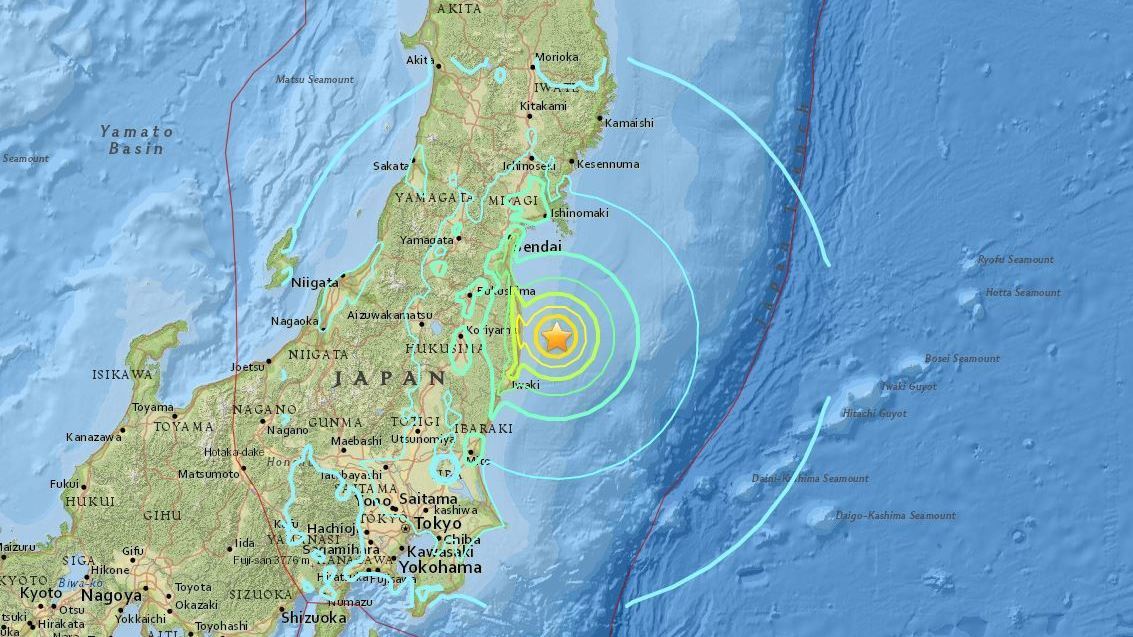
When deciding where to focus disaster preparedness and emergency aid, the most vulnerable regions are along Japan’s eastern coastline, especially the Tōhoku and Kanto regions. The 2011 Tōhoku earthquake and tsunami, which resulted in over 15,000 deaths and a nuclear disaster, highlight the vulnerability of these areas. Coastal cities like Sendai, Ishinomaki, and Fukushima remain high-risk zones due to their proximity to subduction zones where megaquakes often occur. Providing these areas with enhanced sea walls, community shelters, and emergency supplies should be prioritized.


A Place to Call Home

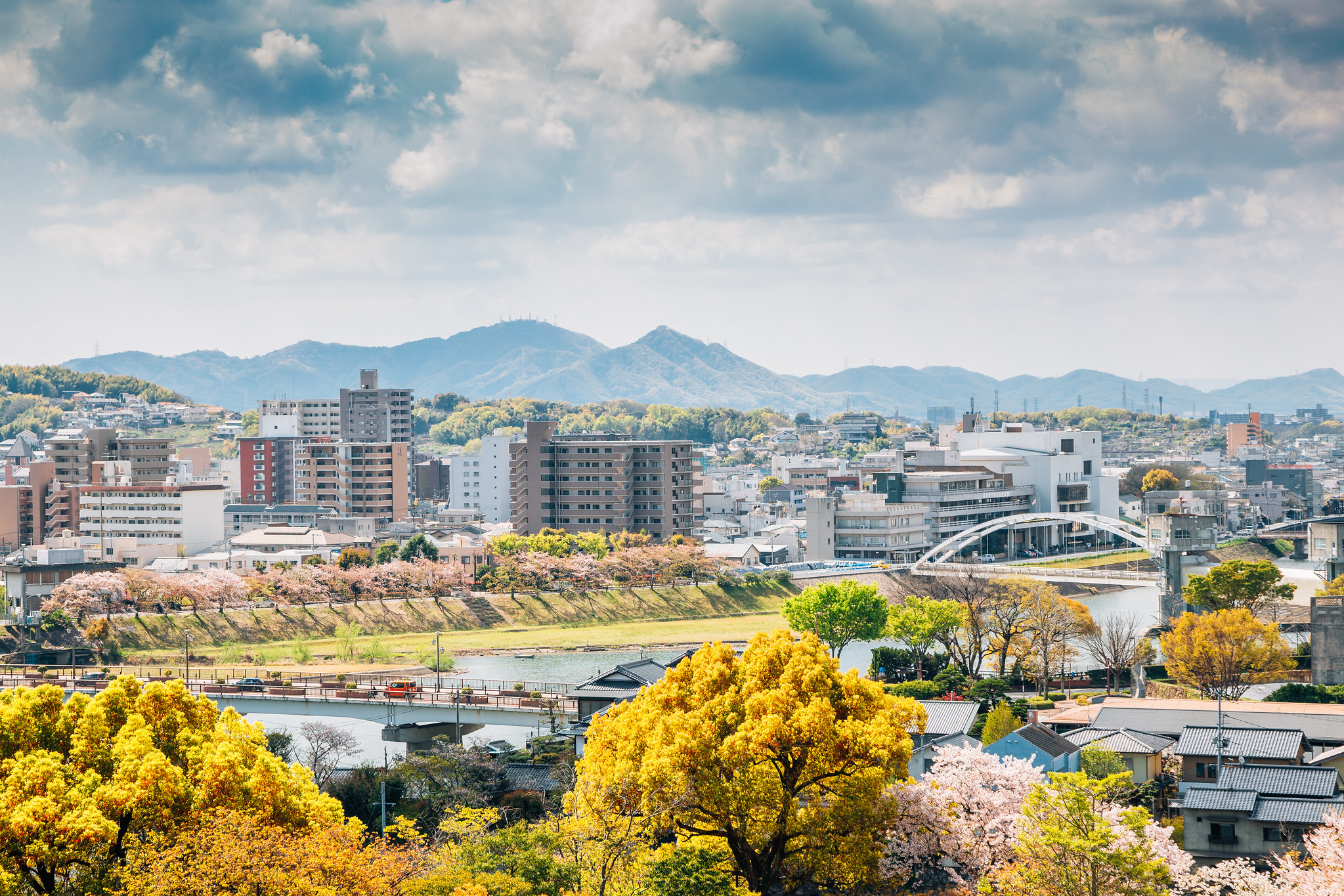
If I were to build a home in Japan, I would choose a location in the Chūgoku region, particularly in the inland areas of Okayama. This region is known for its relative geological stability compared to the eastern coastline. Inland Okayama is less prone to both seismic activity and tsunami risk because it is shielded by the Chūgoku Mountains and located far away from the Pacific coast. Additionally, Okayama is often referred to as the “Land of Sunshine” due to its mild weather and lower disaster frequency, making it an ideal place to live in.


Final Thoughts

While no region in Japan is entirely free from the threat of natural disasters, smart planning, infrastructure investment, and public education can save lives. Japan serves as a model for how a country can coexist with natural hazards through innovation, resilience, and collective effort. 

References:

Data.Jma.Go.Jp, www.data.jma.go.jp/multi/quake/index.html?lang=en. Accessed 20 May 2025.

The National Research Institute for Earth Science and Disaster Resilience (NIED), www.bosai.go.jp/e/index.html. Accessed 20 May 2025.

“Learning from Megadisasters: A Decade of Lessons from the Great East Japan Earthquake.” World Bank, World Bank Group, 17 Mar. 2021, www.worldbank.org/en/news/feature/2021/03/11/learning-from-megadisasters-a-decade-of-lessons-from-the-great-east-japan-earthquake-drmhubtokyo.

Earthquake Hazards Program, earthquake.usgs.gov/earthquakes/eventpage/us6000m0xl/executive. Accessed 20 May 2025.

Monday, April 28, 2025

Coastal Hazard's

Japan has some of the most beautiful coastlines in the world. But being surrounded by the ocean also brings serious dangers. Because of where Japan is located, it faces many coastal threats like tsunamis, typhoons, strong ocean waves, and erosion. Over time, Japan has learned a lot about these risks and has become one of the world’s leaders in protecting its coasts from disasters.

The Coastal Hazards Facing Japan

Japan’s coastal threats are as varied as they are severe:

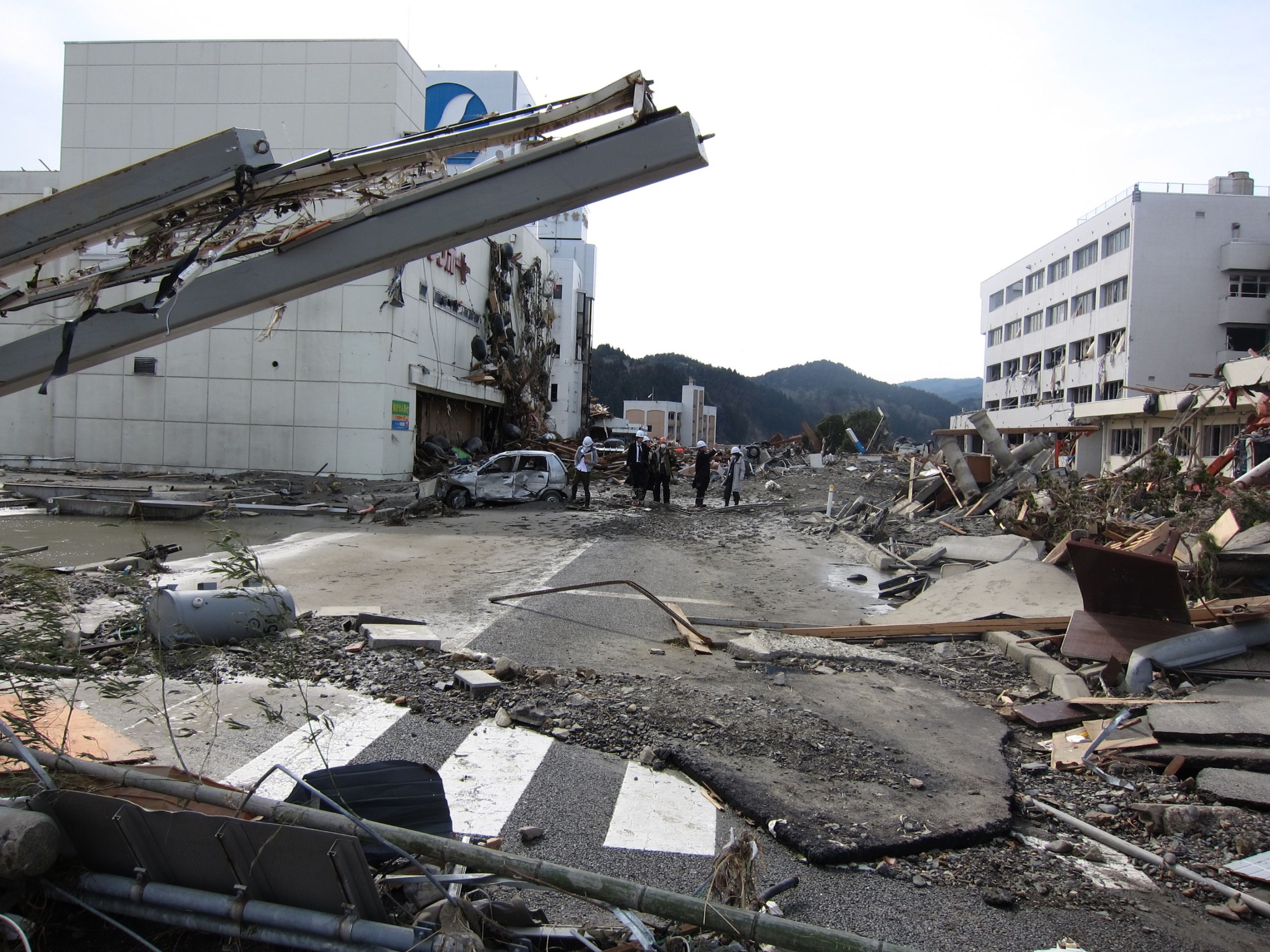
  • Tsunamis: Due to its location along the "Ring of Fire," Japan frequently experiences undersea earthquakes that can generate deadly tsunamis. The 2011 Tōhoku earthquake and tsunami are tragic reminders of this risk, having claimed nearly 20,000 lives and causing immense damage.


  • Typhoons and Storm Surges: Each year, Japan faces powerful typhoons, bringing heavy rains, strong winds, and coastal flooding. Storm surges — sudden rises in sea level — can inundate entire communities.

  • Coastal Erosion: Rising sea levels and natural processes are eating away at Japan’s coastlines, threatening infrastructure, homes, and ecosystems.

  • High Tides and Flooding: With climate change causing more unpredictable weather patterns, high tide flooding (sometimes called "sunny day flooding") is becoming an increasing concern, particularly in low-lying areas.

Japan’s Strategies for Coastal Protection

Given these Coastal threats, Japan has developed some strategies to help mitigate these hazards:

Sea Walls and Coastal Barriers

After the 2011 disaster, Japan invested heavily in constructing gigantic sea walls, some reaching heights of up to 15 meters (almost 50 feet). These barriers are designed to absorb and redirect the energy of incoming tsunamis and storm surges. 

Early Warning Systems

Japan operates one of the world’s most advanced early warning systems for earthquakes and tsunamis. Within seconds of detecting a quake, alerts are broadcast via TV, radio, smartphones, and public loudspeakers. Evacuation sirens and emergency response protocols are drilled regularly in coastal towns.

Coastal Forests and Green Belts

Recognizing that "soft" defenses can complement "hard" infrastructure, Japan has also invested in planting coastal forests. Pine groves and other vegetation act as natural buffers against wind and water, absorbing some of the energy from waves and preventing erosion. These projects not only enhance resilience but also contribute to local biodiversity and community well-being.

Elevated and Relocated Communities

In some particularly vulnerable areas, entire towns have been rebuilt on higher ground after devastating events. Urban planning policies now encourage the construction of elevated evacuation platforms, sea-facing public buildings designed to serve as safe zones during disasters.

Community Education and Preparedness

Japanese citizens are taught how to respond to natural disasters. Schools conduct regular evacuation drills, and local governments hold public education campaigns to ensure residents know evacuation routes, emergency shelter locations, and basic survival techniques.

Technological Innovation

Japan is leveraging technology in remarkable ways, such as using AI to predict flood patterns, deploying autonomous drones for damage assessment, and experimenting with advanced materials for stronger, more flexible sea barriers.

Sources 


Monday, April 7, 2025

Extreme Weather

Thanks to its unique location along the Pacific Ring of Fire and within major climatic zones, Japan faces a wide range of severe weather conditions. From typhoons and heavy rains to intense snowstorms, these natural forces shape not only the environment, but also the way people live in this country.

Typhoons


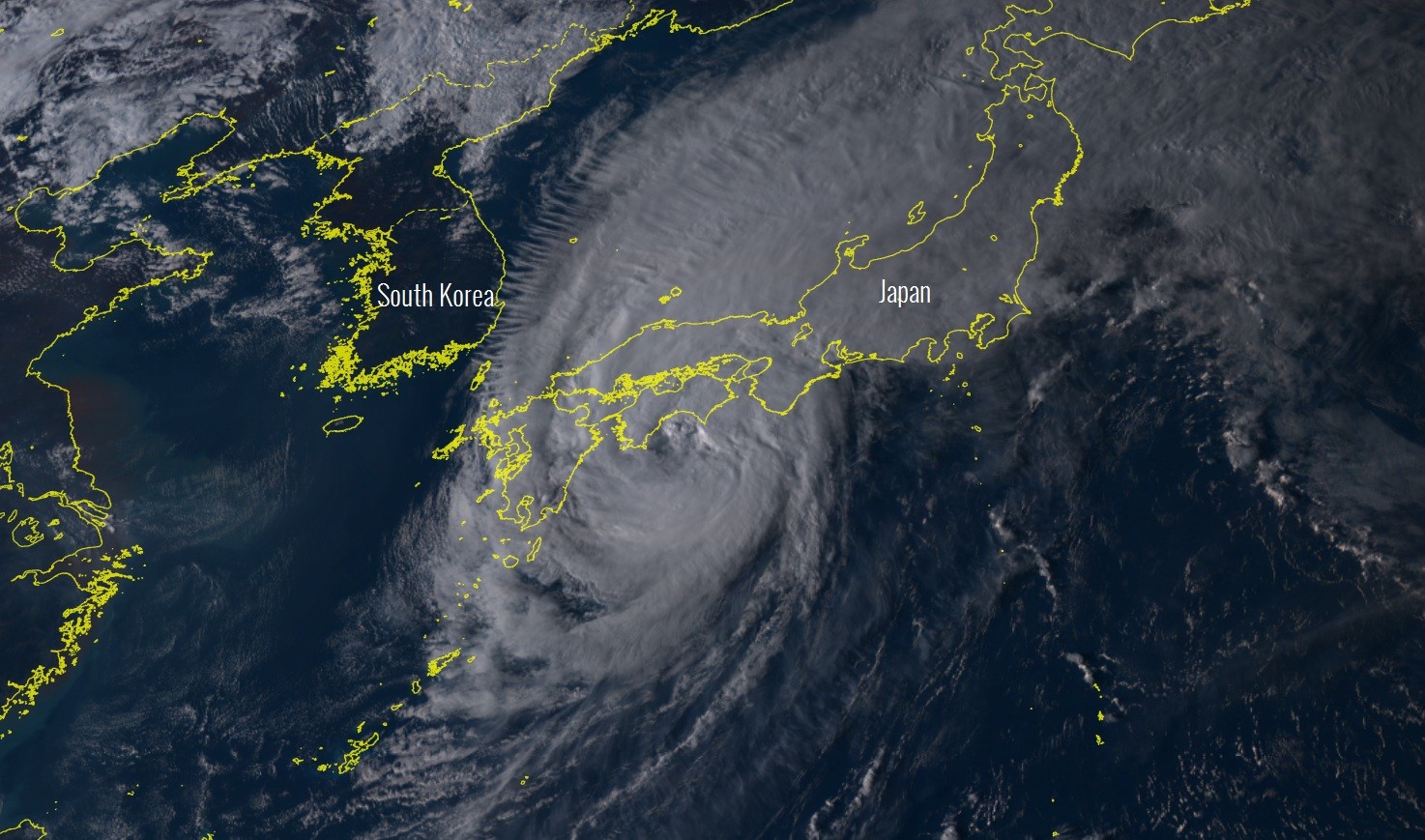
One of the most frequent and destructive weather events in Japan is the typhoon. These tropical storms typically form in the Pacific Ocean between May and October, with the peak season being in the late summer between the months of August and September. Japan is hit by around three typhoons a year on average, but many more are able to come close enough to cause major disruptions to the lives of Japanese citizens. 
Typhoons bring powerful winds, torrential rain, and storm surges that can lead to flooding in coastal areas. In cities typhoons often lead to train cancellations, school closures, and power outages, while in rural areas of Japan they can cause landslides and destroy crops.

Rain and Lanslides 


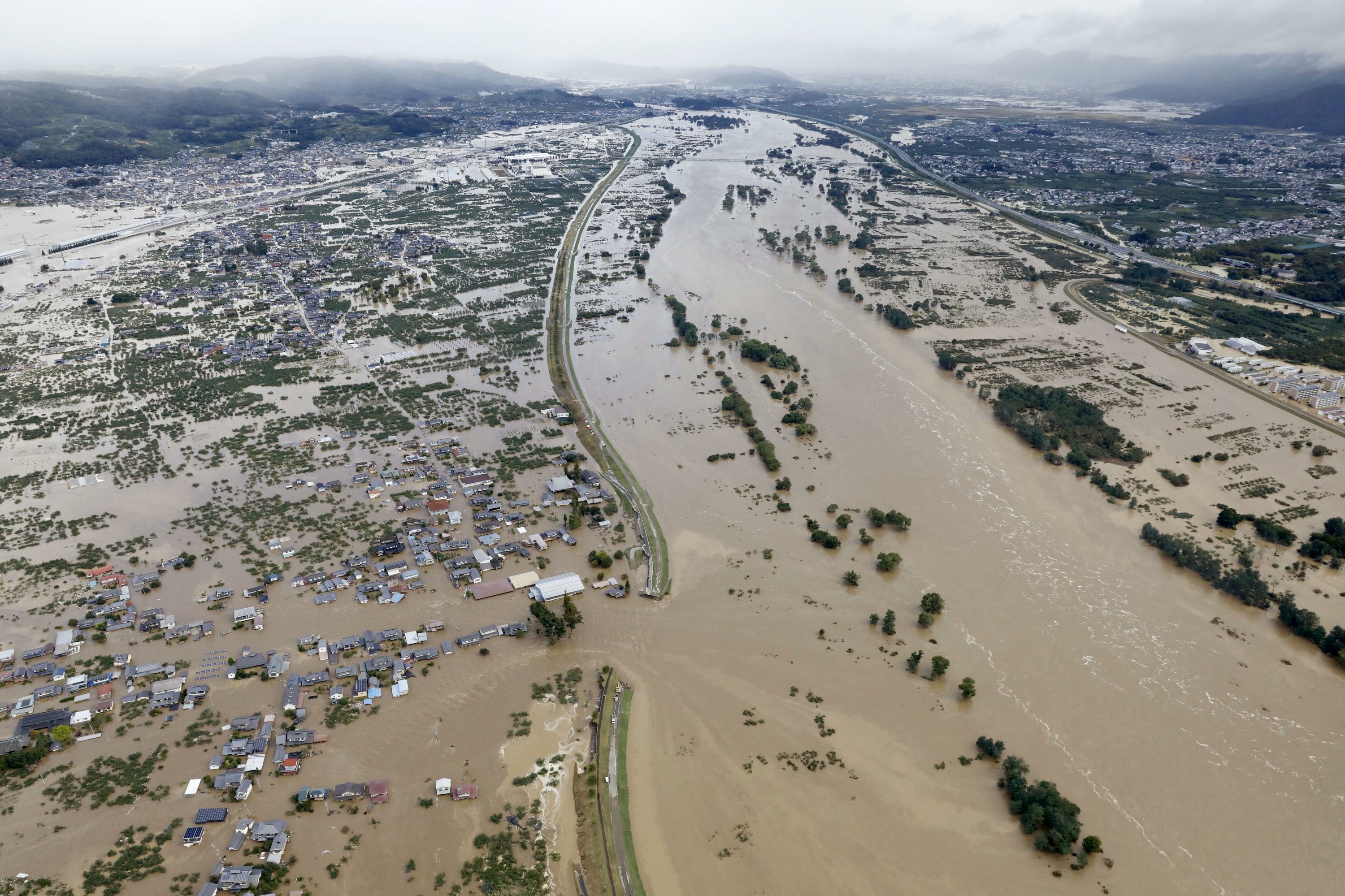
Japan's rainy season also known as Tsuyu, spans between early June to mid-July. While rain is a vital part to Japan's agriculture, it also brings the risk of flooding and landslides. These dangers are more prevalent in Japan's mountainous terrain, where soil saturated by the heavy rainfall gives way and sweeps away homes, roads, and infrastructure. In 2018 record breaking rainfall triggered massive landslides and flash floods in western Japan, resulting in more than 200 deaths.

Winter Snowstorms


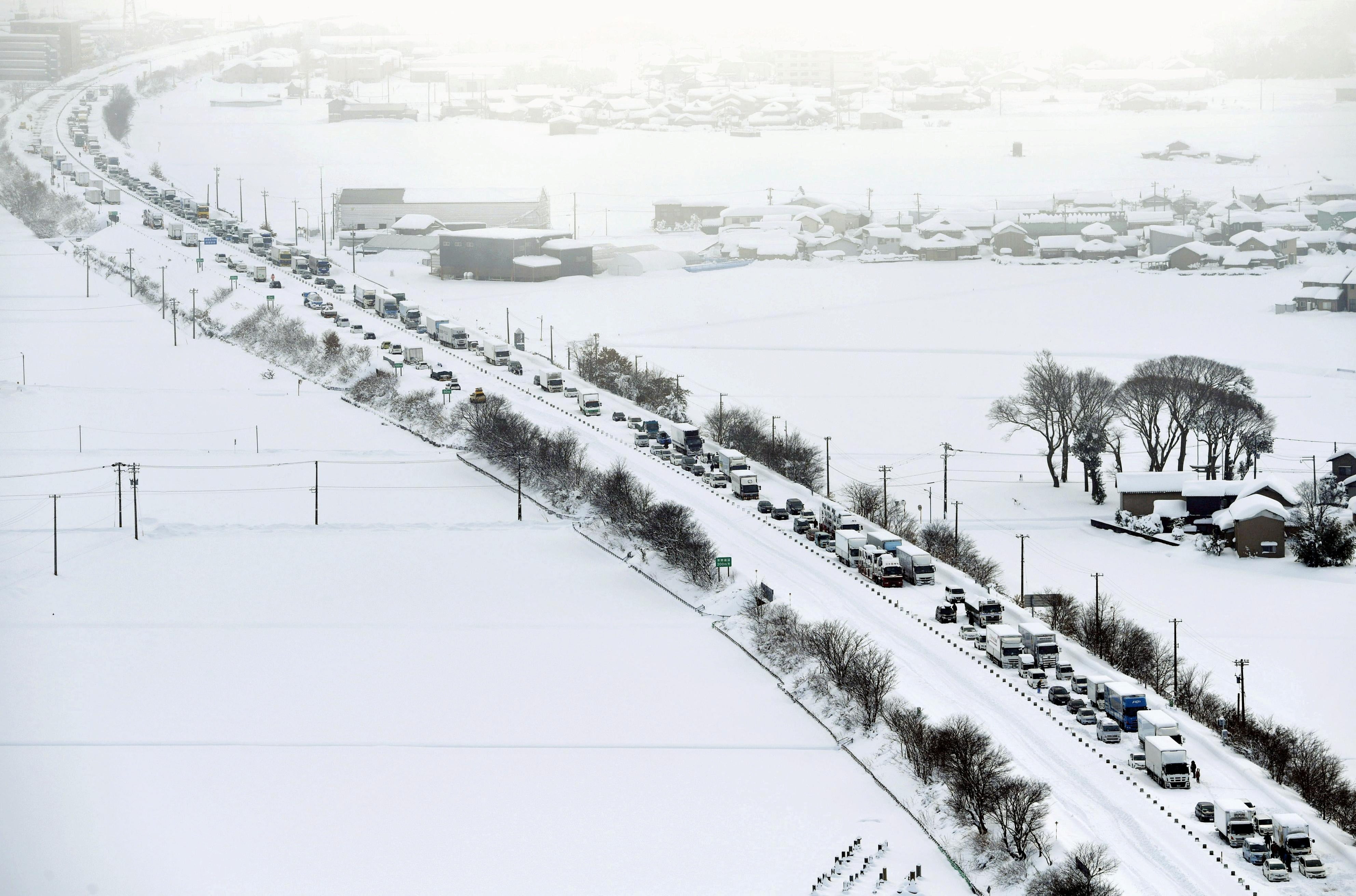
While most of Japan deals with a mild winter, the northern regions in Hokkaido and areas along the Sea of Japan in particular, experience some of the heaviest snowfalls in the world. Snowbanks are seen to grow taller than cars, and blizzards regularly disrupt transportation and daily life. Heavy snowfall brings challenges, especially for the older population who are more susceptible especially in rural areas, where roof collapses and isolation can become life threatening during long winter storms.


Preparedness 

Living in a country with frequent natural hazards has shaped Japan's culture surrounding readiness. Early warning systems, public safety campaigns, and strict building codes are all part of everyday life. Whether it is a typhoon, heavy rainstorm or snowfall, Japan's resilience is a great example of how communities can adapt to face nature's extreme conditions.      

Sources

Baldwin, Sam. “JAPAN’S Winter Weather EXPOSED.” Weatherwise, vol. 59, no. 6, Nov. 2006, pp. 32–37. EBSCOhost, https://doi-org.mpc.idm.oclc.org/10.3200/WEWI.59.6.32-37.


 “Extreme Weather.” The Expat’s Guide to Japan, 24 Oct. 2023, expatsguide.jp/health-safety/natural-disasters/extreme-weather/.


Prikryl, Paul, et al. “Heavy Rainfall, Floods, and Flash Floods Influenced by High-Speed Solar Wind Coupling to the Magnetosphere–ionosphere–atmosphere System.” Annales Geophysicae (ANGEO) (09927689), vol. 39, no. 4, July 2021, pp. 769–93. EBSCOhost, https://doi-org.mpc.idm.oclc.org/10.5194/angeo-39-769-2021.


Tuesday, March 18, 2025

Japan's Mass Wasting Hazards

Japan's mountainous terrain makes the country highly prone to mass wasting hazards. With over 70% of its land covered by mountains and hills, Japan experiences frequent landslides, debris flows, and rockfalls, especially during the rainy season, typhoon events, and after earthquakes. The combination of steep slopes, heavy rainfall, and frequent seismic activity creates a perfect storm for these destructive events. To mitigate the impact of mass wasting and protect its population, Japan has developed a sophisticated system of prevention, monitoring, and early warning.


Hiroshima Landslides

In August 2014, heavy rainfall triggered multiple landslides in Hiroshima, killing 74 people and destroying hundreds of homes. This tragedy prompted the Japanese government to enhance its early warning systems and refine its risk assessment methods. Today, Hiroshima has an upgraded landslide prediction system that combines AI technology with real-time weather data, offering faster and more accurate warnings.


Japan’s Prevention and Mitigation Efforts 

1. Sabo (Erosion Control) Engineering: Japan has implemented sabo engineering—a system of erosion and sediment control that includes the construction of check dams, retaining walls, and drainage channels. These structures slow down the movement of debris and prevent large-scale landslides. 
2. Early Warning and Monitoring Systems: Japan has one of the most advanced early warning systems in the world, combining meteorological data, geotechnical monitoring, and artificial intelligence to predict and alert residents of potential hazards. Landslide Early Warning System: The Japan Meteorological Agency (JMA) uses real-time rainfall data, soil moisture conditions, and slope stability models to issue landslide warnings. These alerts are broadcast through TV, radio, and mobile apps. Seismic Monitoring: Japan’s extensive network of seismometers detects earthquakes and assesses their potential to trigger mass wasting events.
3. LIDAR and Remote Sensing Technology To assess vulnerable areas, Japan uses LIDAR (Light Detection and Ranging) technology to create detailed topographical maps. These maps identify unstable slopes and high-risk zones, helping authorities prioritize protective measures. 
4. Community-Based Disaster Preparedness Japan emphasizes community involvement in disaster preparedness. Local governments conduct regular evacuation drills, distribute hazard maps, and educate residents on how to respond during emergencies. 

Sources

Climate Adaptation Platform. “Landslide and Disaster Preparedness in Japan.” Climate Adaptation Platform, 17 Nov. 2022, climateadaptationplatform.com/landslide-and-disaster-preparedness-in-japan/.

Konagai, Kazuo. “More than Just Technology for Landslide Disaster Mitigation: Signatories to the Kyoto Landslide Commitment 2020-No. 1.” Landslides, U.S. National Library of Medicine, 2021, pmc.ncbi.nlm.nih.gov/articles/PMC7814254/.

“Landslide and Disaster Preparedness in Japan.” PreventionWeb, 8 July 2021, www.preventionweb.net/news/landslide-and-disaster-preparedness-japan. 

Monday, February 24, 2025

Japan's Volcanic Activity past and present

Volcanic activity 

Japan sits on the Pacific Ring of Fire, making it one of the most volcanically active regions in the world. With over 100 active volcanoes, the country has experienced both devastating eruptions and continuous volcanic activity throughout its history.


A History of Volcanic Activity

Japan’s volcanic history is marked by significant eruptions that have shaped both the land and its people. One of the most well-known eruptions was that of Mount Fuji in 1707, known as the Hoei eruption. More recently, the 2014 eruption of Mount Ontake tragically claimed the lives of 63 people, highlighting the persistent danger posed by Japan’s volcanoes. Other notable eruptions include those of Mount Unzen in 1991, which resulted in pyroclastic flows that killed 43 people.

Current Monitoring and Warning Systems


As a result of its long history with volcanic activity, Japan has one of the most advanced volcano monitoring systems in the world, operated primarily by the Japan Meteorological Agency (JMA). The JMA works in collaboration with universities and research institutes to track seismic activity, gas emissions, and ground deformation, which can signal an impending eruption.


Mount Ontake Eruption in 2014

When Japan's Meteorological agency detects volcanic activity, the type of warnings that are broadcasted are dependent on the severity of the upcoming volcanic threat:

  1. Level 1 – Normal: No immediate danger, but monitoring continues.

  2. Level 2 – Restriction: Entry to the area around the crater is restricted.

  3. Level 3 – Avoidance: The public is advised to stay away from the volcano.

  4. Level 4 – Preparation to Evacuate: Local authorities prepare for potential evacuations.

  5. Level 5 – Evacuation: Immediate evacuation is required due to imminent eruption.


Once the severity of the volcanic threat is determined, warnings are then communicated through emergency alerts, media broadcasts, and local government channels to ensure citizens are promptly informed of the incoming threat.


Tuesday, February 11, 2025

Japan's Seismic Activity

Being located on the Pacific Ring of Fire, Japan is one of the most seismically active countries on Earth. The island nation experiences thousands of earthquakes annually, with some of them reaching devastating magnitudes. Historically, Japan has suffered some of the world’s most destructive earthquakes, such as the Great Kanto Earthquake of 1923 and the Tōhoku Earthquake of 2011, which triggered a massive tsunami and led to the Fukushima nuclear disaster. 


Preparedness and Prevention

Because of its vulnerability to seismic activity, Japan has implemented various measures to enhance preparedness and prevent future earthquake disasters. These measures include:

1. Advanced Building Codes

One of the most effective measures Japan has taken is the implementation of strict building codes designed to withstand seismic activity. These regulations require buildings to have earthquake-resistant structures, such as shock absorbers, base isolators, and flexible frameworks that allow buildings to sway rather than collapse during an earthquake. High-rise buildings are specifically designed to endure strong tremors, ensuring the safety of occupants.


2. Early Warning Systems

Image from Japan phasing in its quake warning system

Japan has one of the most advanced earthquakes early warnings (EEW) systems in the world. The system detects seismic waves and provides alerts via smartphones, television, radio, and public announcements, giving people valuable seconds to take cover before the shaking begins. This warning system has saved countless lives by allowing individuals and businesses to prepare for incoming tremors.


3. Disaster Drills and Public Education

Regular disaster drills are a cornerstone of Japan’s earthquake preparedness. Schools, businesses, and local governments conduct routine emergency drills to ensure that people know how to respond during an earthquake. Public awareness campaigns educate citizens on securing furniture, identifying safe evacuation routes, and assembling emergency kits with food, water, and medical supplies.


4. Tsunami Defense Mechanisms

Since many earthquakes in Japan trigger tsunamis, the country has developed an extensive tsunami defense system. Coastal regions are protected by seawalls, floodgates, and elevated evacuation centers. The Japan Meteorological Agency provides real-time tsunami warnings, allowing coastal communities to evacuate swiftly.


5. Technological Innovations

Japan continuously invests in seismic research and technology to improve disaster response. Innovations such as smart sensors, AI-based earthquake predictions, and underground shock-absorbing materials are being developed to enhance safety. The use of satellite monitoring also helps in tracking seismic activity and providing data for better forecasting.


Sources


“How Does Japan Protect against Earthquakes?” Japan Nihon, 9 Mar. 2023, www.japannihon.com/how-does-japan-protect-against-earthquakes/.

“Japan Spent Decades Making Itself Earthquake Resilient. Here’s How.” PrepareCenter, 5 Jan. 2024, preparecenter.org/story/japan-spent-decades-making-itself-earthquake-resilient/.

 Live Science. “Japan’s Biggest Earthquakes.” LiveScience, Purch, 8 Apr. 2011, www.livescience.com/30312-japan-earthquakes-top-10-110408.html.

Lim, Seunghoo, and Hiromi Nakazato. “Co‐evolving Supportive Networks and Perceived Community Resilience across Disaster‐damaged Areas after the Great East Japan Earthquake: Selection, Influence, or Both?” Journal of Contingencies & Crisis Management, vol. 27, no. 2, June 2019, pp. 116–29. EBSCOhost, https://doi-org.mpc.idm.oclc.org/10.1111/1468-5973.12244.


Tanaka, Shigeyoshi. “The 2011 Great East Japan Earthquake and Tsunami: The Highest Casualties and Largest Reconstruction Funds—Characteristics of Major Disasters and Future Challenges in Developed Countries.” Japanese Journal of Sociology, vol. 32, no. 1, Mar. 2023, pp. 7–24. EBSCOhost, https://doi-org.mpc.idm.oclc.org/10.1111/ijjs.12147.

Tuesday, February 4, 2025

Tectonic Plates and Boundaries

Due to its unique geographic position, Japan is one of the most geologically dynamic regions on Earth. It lies at the western portion of the ring of fire while also being in the middle of an intersection of four major tectonic plates: the Pacific Plate, the Philippine Sea Plate, the Eurasian (Amurian) Plate, and the North American (Okhotsk) Plate.

These plates form a tectonic boundary known as a subduction zone meaning that the tectonic plates in this area force one plate under another. This constant interaction between tectonic plates, colliding, and grinding against one another, creates an environment prone to significant geological activity. The movement of these plates are responsible for shaping Japan’s dramatic landscapes, from its towering mountain ranges to its deep ocean trenches.

Additionally, this relentless tectonic activity is the driving force behind the country’s frequent earthquakes, tsunamis, and volcanic eruptions, making Japan a global hotspot for seismic and volcanic activity.


Photo from: The Next Big One: Government Map Forecasts Likely Future Japanese Earthquakes | Nippon.com


Sources:   

Japan's Greatest Natural Hazard's

  Japan is a beautiful country known for its amazing culture, technology, and nature. But it is also one of the most active places in the wo...