When discussing natural events and their impacts on our lives, terms such as hazards, disasters, and catastrophes are often used. While these words may seem interchangeable, each carries a distinct meaning and context. Here is a brief overview of these concepts to help clarify their differences:
1. Hazard
A hazard refers to a potential event or condition that poses a threat to people, property, or the environment. It doesn’t necessarily cause damage but has the potential to do so if triggered.
2. Disaster
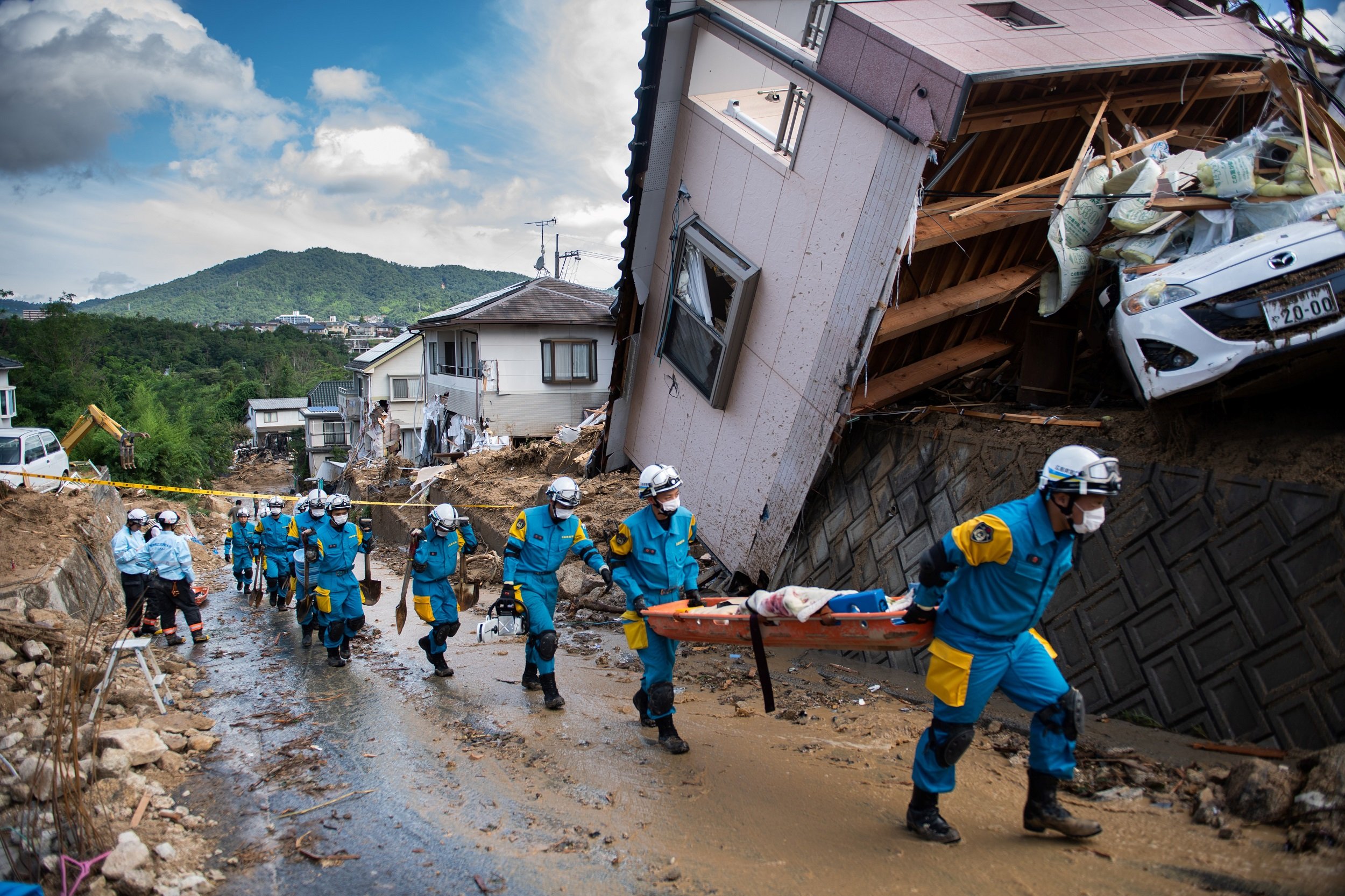
A disaster occurs when a hazard actually impacts a community, causing, loss of life, or destruction of property. Disasters typically overwhelm local resources and require external support to recover.
3. Catastrophe
A catastrophe represents an extreme form of disaster, with massive impacts that are global or national in scale. Recovery from a catastrophe often requires years, and the resources needed may often go well beyond what local or even national governments can provide.