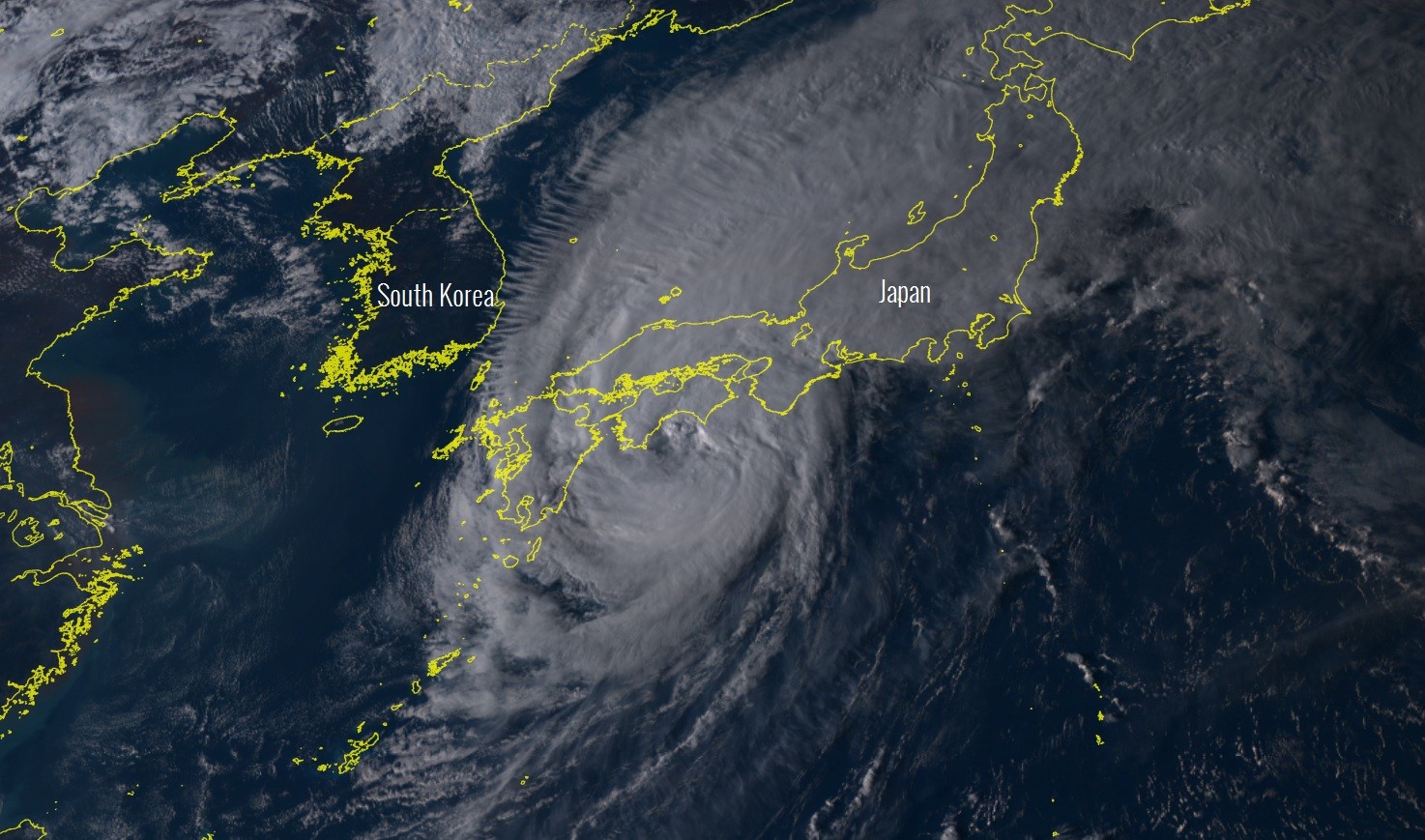
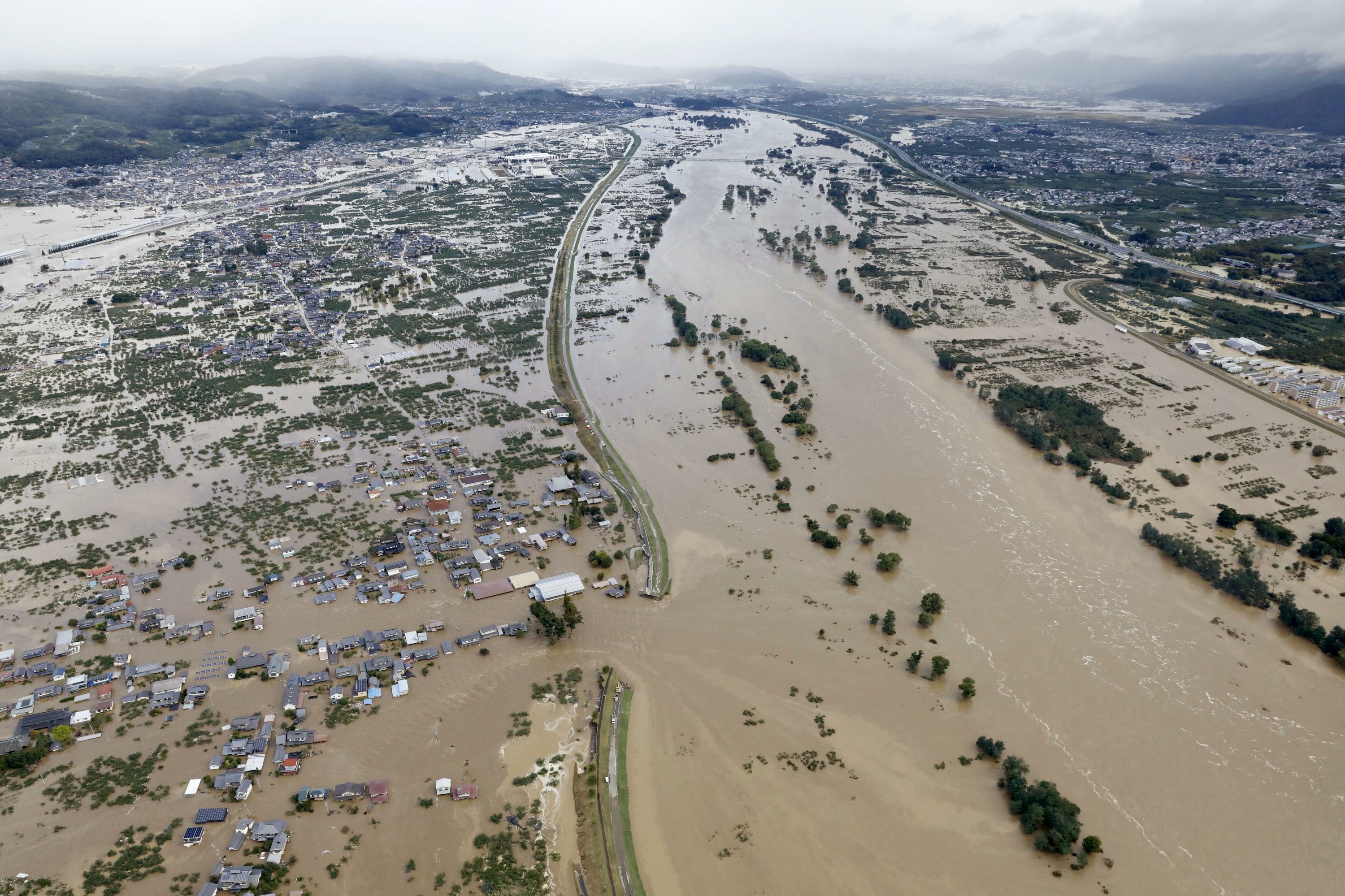
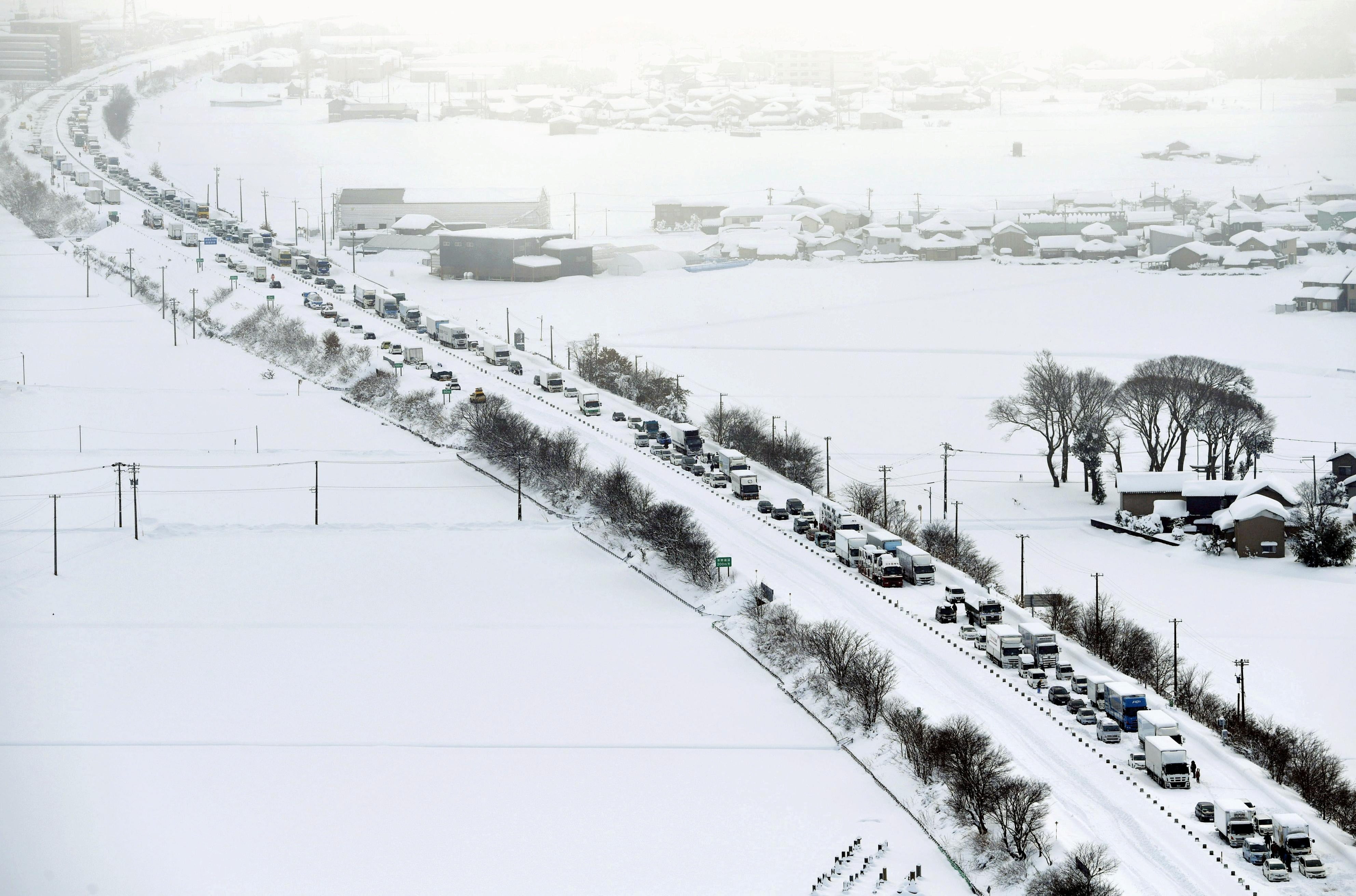
Japan has some of the most beautiful coastlines in the world. But being surrounded by the ocean also brings serious dangers. Because of where Japan is located, it faces many coastal threats like tsunamis, typhoons, strong ocean waves, and erosion. Over time, Japan has learned a lot about these risks and has become one of the world’s leaders in protecting its coasts from disasters.
The Coastal Hazards Facing Japan
Japan’s coastal threats are as varied as they are severe:
-
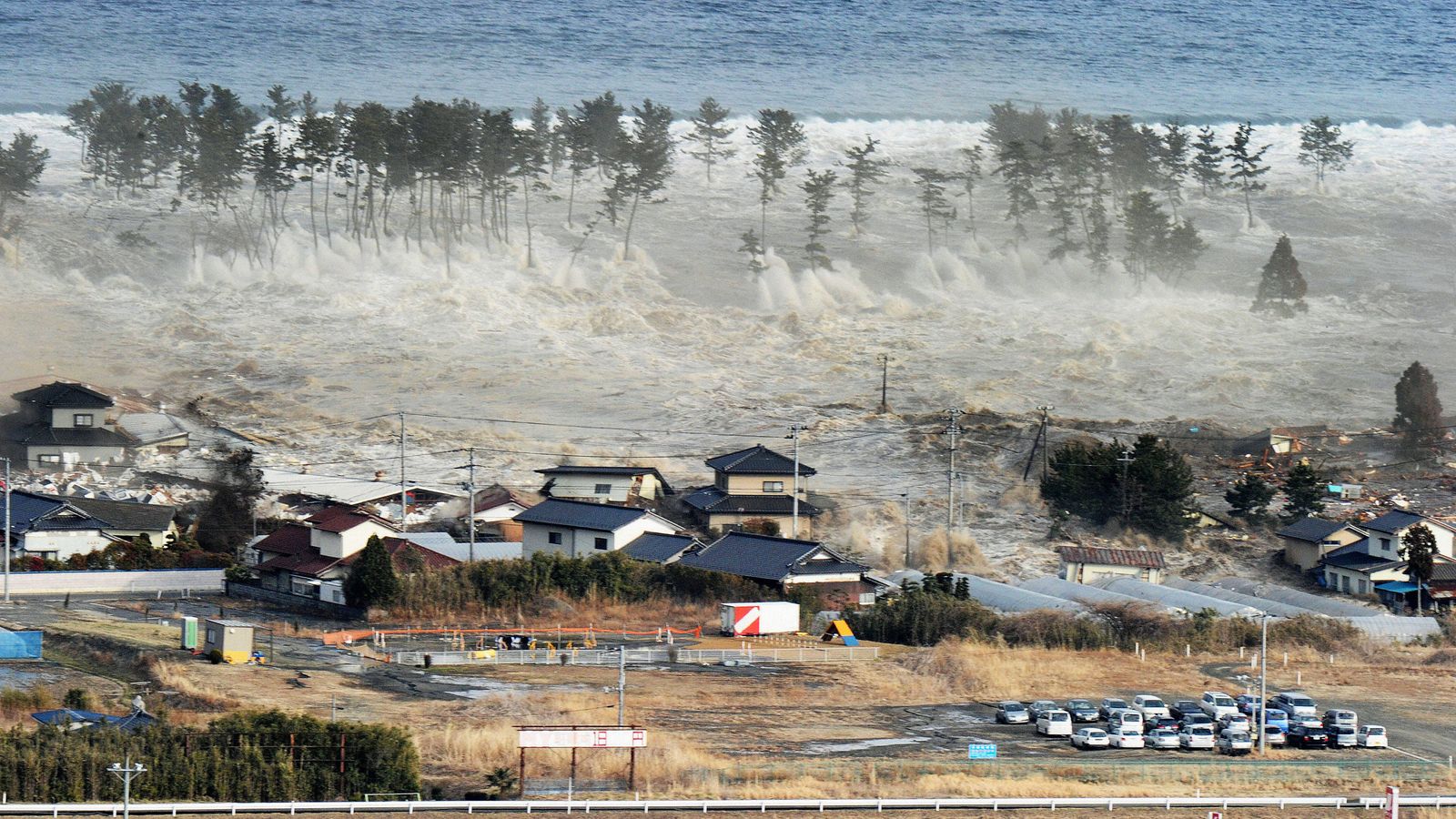
Tsunamis: Due to its location along the "Ring of Fire," Japan frequently experiences undersea earthquakes that can generate deadly tsunamis. The 2011 Tōhoku earthquake and tsunami are tragic reminders of this risk, having claimed nearly 20,000 lives and causing immense damage.
-
Typhoons and Storm Surges: Each year, Japan faces powerful typhoons, bringing heavy rains, strong winds, and coastal flooding. Storm surges — sudden rises in sea level — can inundate entire communities.
-
Coastal Erosion: Rising sea levels and natural processes are eating away at Japan’s coastlines, threatening infrastructure, homes, and ecosystems.
-
High Tides and Flooding: With climate change causing more unpredictable weather patterns, high tide flooding (sometimes called "sunny day flooding") is becoming an increasing concern, particularly in low-lying areas.
Japan’s Strategies for Coastal Protection
Given these Coastal threats, Japan has developed some strategies to help mitigate these hazards:
Sea Walls and Coastal Barriers
After the 2011 disaster, Japan invested heavily in constructing gigantic sea walls, some reaching heights of up to 15 meters (almost 50 feet). These barriers are designed to absorb and redirect the energy of incoming tsunamis and storm surges.
Early Warning Systems
Japan operates one of the world’s most advanced early warning systems for earthquakes and tsunamis. Within seconds of detecting a quake, alerts are broadcast via TV, radio, smartphones, and public loudspeakers. Evacuation sirens and emergency response protocols are drilled regularly in coastal towns.
Coastal Forests and Green Belts
Recognizing that "soft" defenses can complement "hard" infrastructure, Japan has also invested in planting coastal forests. Pine groves and other vegetation act as natural buffers against wind and water, absorbing some of the energy from waves and preventing erosion. These projects not only enhance resilience but also contribute to local biodiversity and community well-being.
Elevated and Relocated Communities
In some particularly vulnerable areas, entire towns have been rebuilt on higher ground after devastating events. Urban planning policies now encourage the construction of elevated evacuation platforms, sea-facing public buildings designed to serve as safe zones during disasters.
Community Education and Preparedness
Japanese citizens are taught how to respond to natural disasters. Schools conduct regular evacuation drills, and local governments hold public education campaigns to ensure residents know evacuation routes, emergency shelter locations, and basic survival techniques.
Technological Innovation
Japan is leveraging technology in remarkable ways, such as using AI to predict flood patterns, deploying autonomous drones for damage assessment, and experimenting with advanced materials for stronger, more flexible sea barriers.