Thanks to its unique location along the Pacific Ring of Fire and within major climatic zones, Japan faces a wide range of severe weather conditions. From typhoons and heavy rains to intense snowstorms, these natural forces shape not only the environment, but also the way people live in this country.
Typhoons
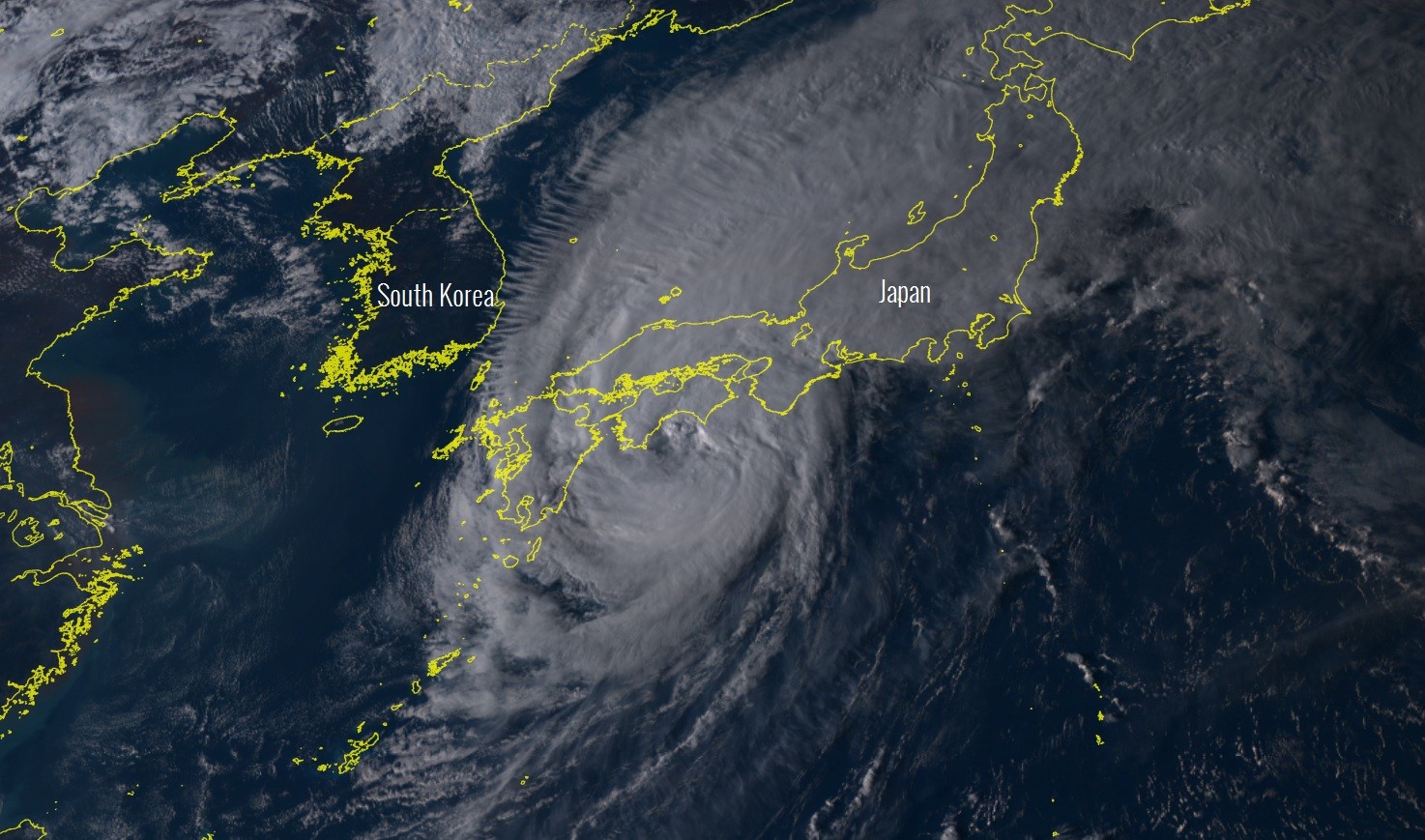
One of the most frequent and destructive weather events in Japan is the typhoon. These tropical storms typically form in the Pacific Ocean between May and October, with the peak season being in the late summer between the months of August and September. Japan is hit by around three typhoons a year on average, but many more are able to come close enough to cause major disruptions to the lives of Japanese citizens.
Typhoons bring powerful winds, torrential rain, and storm surges that can lead to flooding in coastal areas. In cities typhoons often lead to train cancellations, school closures, and power outages, while in rural areas of Japan they can cause landslides and destroy crops.
Rain and Lanslides
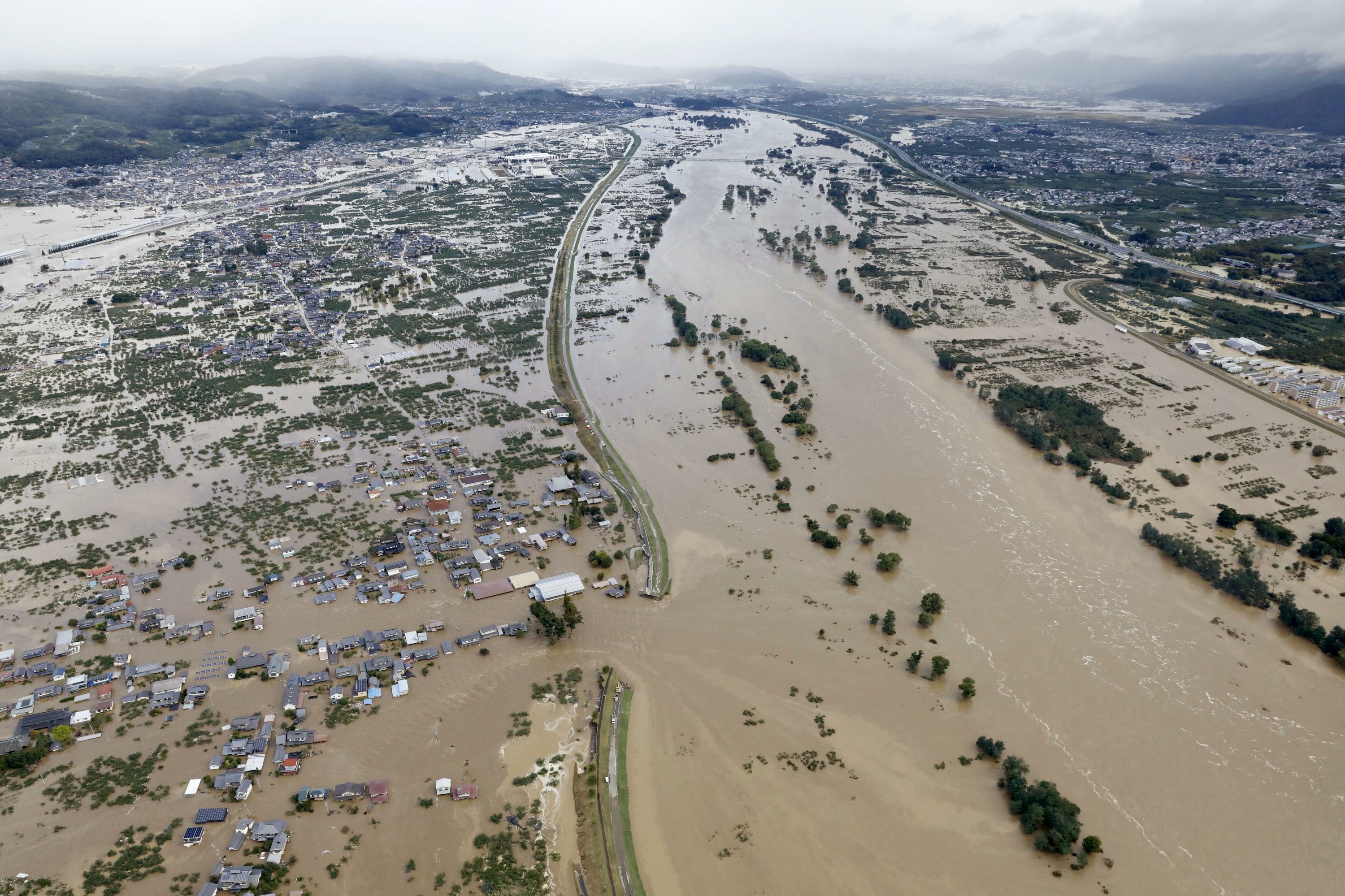
Japan's rainy season also known as Tsuyu, spans between early June to mid-July. While rain is a vital part to Japan's agriculture, it also brings the risk of flooding and landslides. These dangers are more prevalent in Japan's mountainous terrain, where soil saturated by the heavy rainfall gives way and sweeps away homes, roads, and infrastructure. In 2018 record breaking rainfall triggered massive landslides and flash floods in western Japan, resulting in more than 200 deaths.
Winter Snowstorms
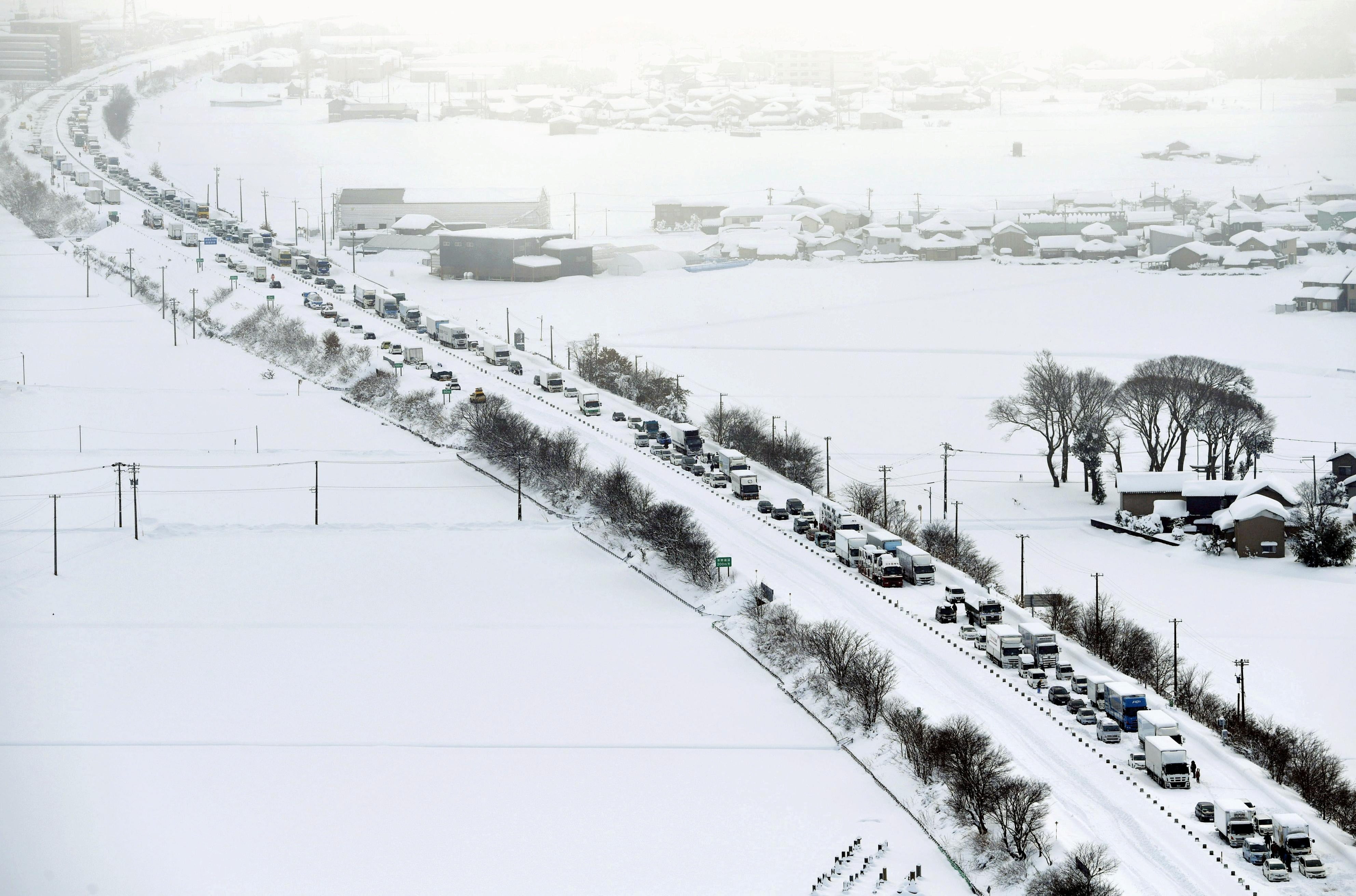
While most of Japan deals with a mild winter, the northern regions in Hokkaido and areas along the Sea of Japan in particular, experience some of the heaviest snowfalls in the world. Snowbanks are seen to grow taller than cars, and blizzards regularly disrupt transportation and daily life. Heavy snowfall brings challenges, especially for the older population who are more susceptible especially in rural areas, where roof collapses and isolation can become life threatening during long winter storms.
Preparedness
Living in a country with frequent natural hazards has shaped Japan's culture surrounding readiness. Early warning systems, public safety campaigns, and strict building codes are all part of everyday life. Whether it is a typhoon, heavy rainstorm or snowfall, Japan's resilience is a great example of how communities can adapt to face nature's extreme conditions.
Sources
Baldwin, Sam. “JAPAN’S Winter Weather EXPOSED.” Weatherwise, vol. 59, no. 6, Nov. 2006, pp. 32–37. EBSCOhost, https://doi-org.mpc.idm.oclc.org/10.3200/WEWI.59.6.32-37.
“Extreme Weather.” The Expat’s Guide to Japan, 24 Oct. 2023, expatsguide.jp/health-safety/natural-disasters/extreme-weather/.
Prikryl, Paul, et al. “Heavy Rainfall, Floods, and Flash Floods Influenced by High-Speed Solar Wind Coupling to the Magnetosphere–ionosphere–atmosphere System.” Annales Geophysicae (ANGEO) (09927689), vol. 39, no. 4, July 2021, pp. 769–93. EBSCOhost, https://doi-org.mpc.idm.oclc.org/10.5194/angeo-39-769-2021.


Hello Daniel,
ReplyDeleteYour post was very interesting to read I could tell that you really did your research. My country Chile experiences different extreme weather conditions since it is a more drier area than Japan. Rain and landslides are more dangerous than they seem! I did not know that the northern area of japan can experience intense snowstorms. Japan has great ways to help notify their citizens from any hazards caused by extreme weather. Great blog post!