Japan is a beautiful country known for its amazing culture, technology, and nature. But it is also one of the most active places in the world when it comes to natural disasters. The two biggest dangers in Japan are earthquakes and tsunamis. These happen often because Japan is located in the Pacific Ring of Fire and sits on the intersection of four tectonic plates. These plates are constantly in motion, causing them to constantly be in friction with one another, causing the ground to shake, and causing earthquakes. Because Japan is surrounded by the ocean, these earthquakes tend to happen under the sea, triggering tsunamis. These two natural hazards are the most dangerous disasters in Japan, given how often they occur and the amount of destruction they leave in their wake.
Mitigation
To reduce the devastating impact of these hazards, Japan has developed some of the world’s most advanced mitigation strategies. These include earthquake-resistant buildings, tsunami early warning systems, and regular nationwide drills. Infrastructure regulations require that all buildings meet strict seismic standards, and tsunami evacuation routes are clearly marked in coastal areas. The government also invests heavily in research and technology, such as real-time seismic sensors and mobile alerts. While these systems cannot prevent disasters, they significantly reduce casualties and damage when implemented correctly.
High Risk Locations
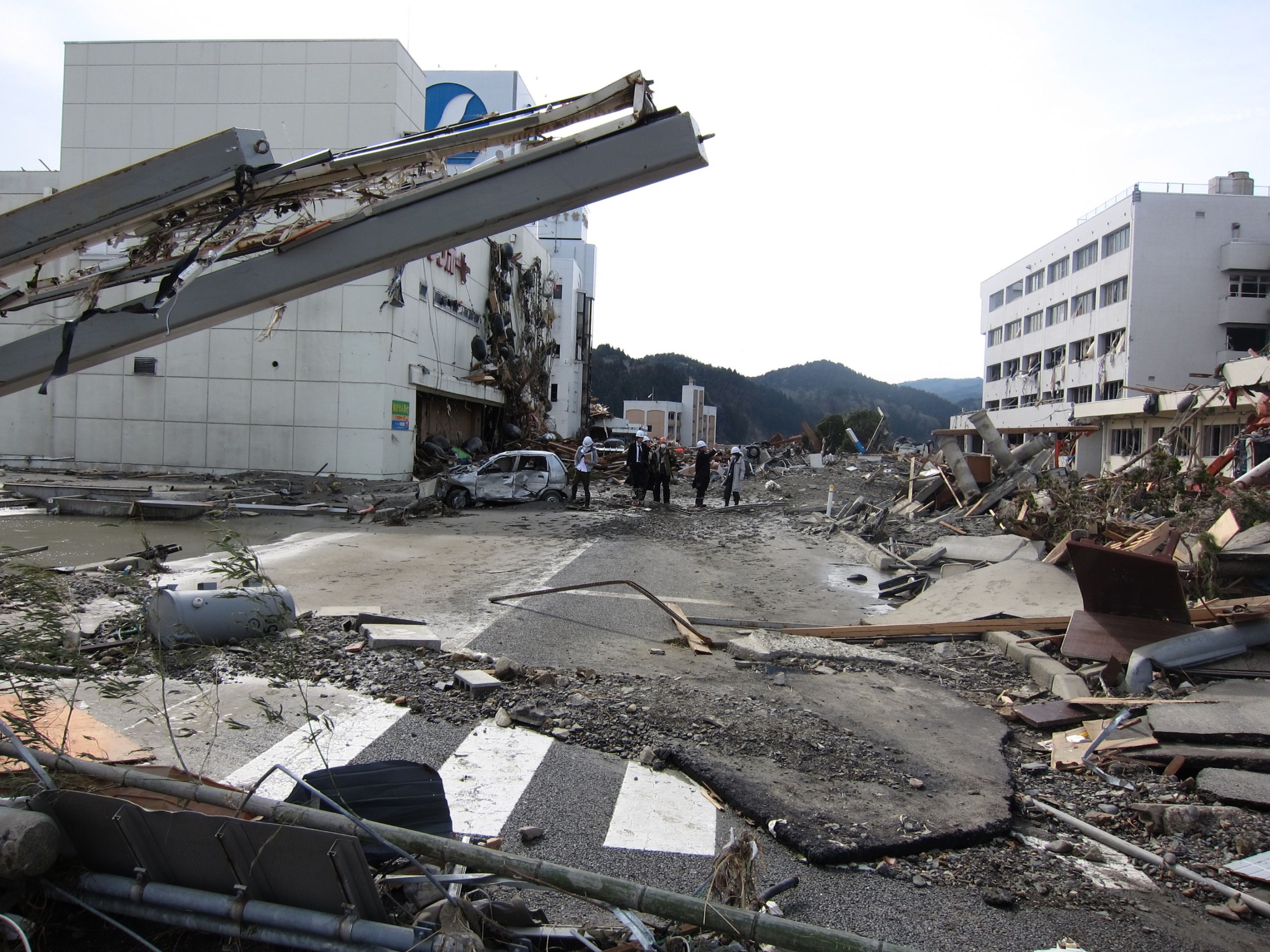
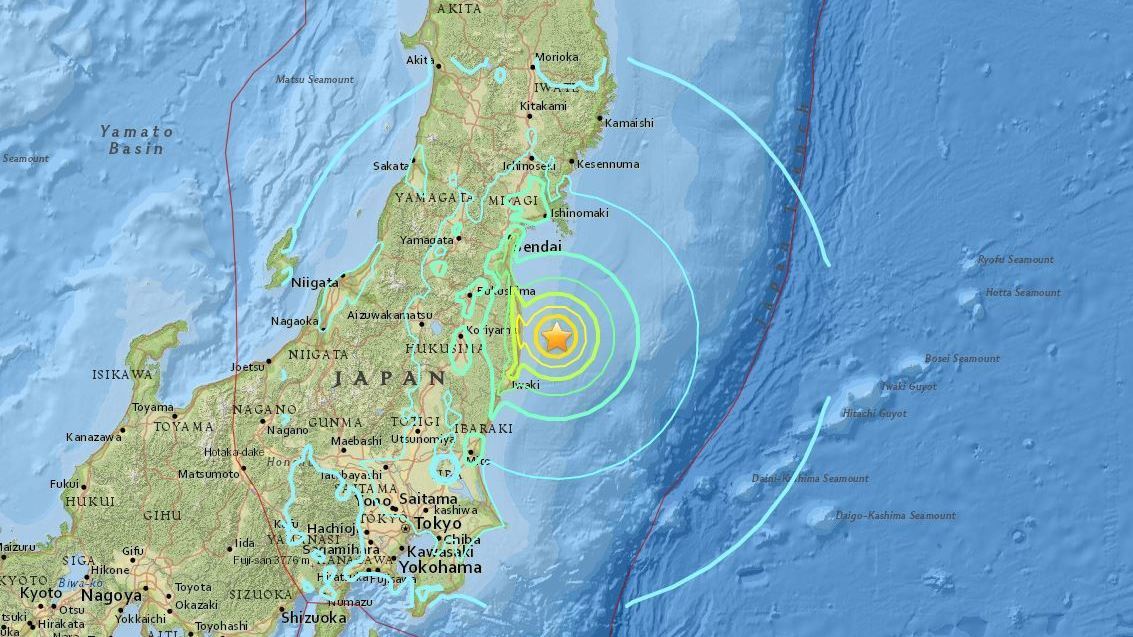
When deciding where to focus disaster preparedness and emergency aid, the most vulnerable regions are along Japan’s eastern coastline, especially the Tōhoku and Kanto regions. The 2011 Tōhoku earthquake and tsunami, which resulted in over 15,000 deaths and a nuclear disaster, highlight the vulnerability of these areas. Coastal cities like Sendai, Ishinomaki, and Fukushima remain high-risk zones due to their proximity to subduction zones where megaquakes often occur. Providing these areas with enhanced sea walls, community shelters, and emergency supplies should be prioritized.
A Place to Call Home
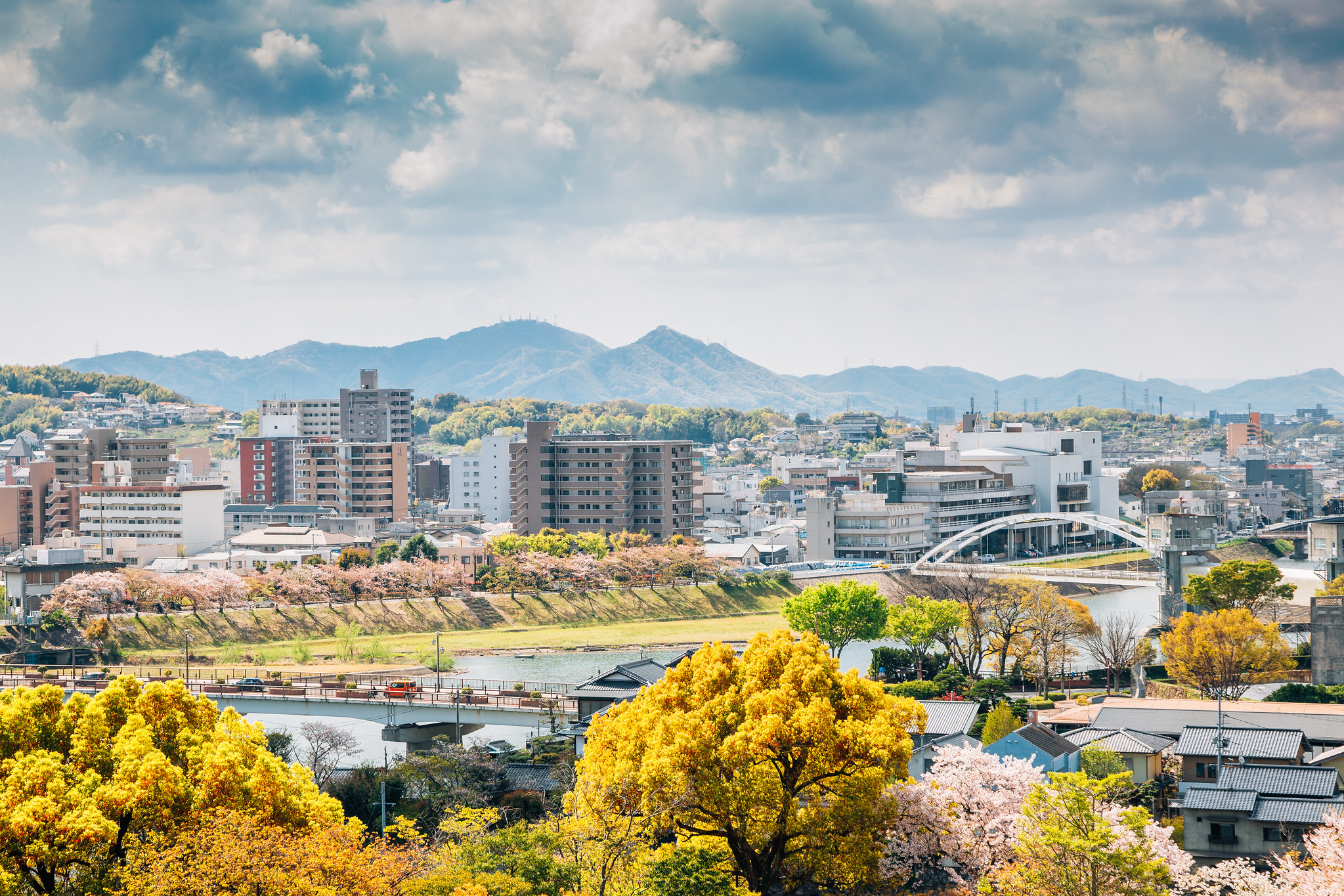
If I were to build a home in Japan, I would choose a location in the Chūgoku region, particularly in the inland areas of Okayama. This region is known for its relative geological stability compared to the eastern coastline. Inland Okayama is less prone to both seismic activity and tsunami risk because it is shielded by the Chūgoku Mountains and located far away from the Pacific coast. Additionally, Okayama is often referred to as the “Land of Sunshine” due to its mild weather and lower disaster frequency, making it an ideal place to live in.
Final Thoughts
While no region in Japan is entirely free from the threat of natural disasters, smart planning, infrastructure investment, and public education can save lives. Japan serves as a model for how a country can coexist with natural hazards through innovation, resilience, and collective effort.
References:
Data.Jma.Go.Jp, www.data.jma.go.jp/multi/quake/index.html?lang=en. Accessed 20 May 2025.
The National Research Institute for Earth Science and Disaster Resilience (NIED), www.bosai.go.jp/e/index.html. Accessed 20 May 2025.
“Learning from Megadisasters: A Decade of Lessons from the Great East Japan Earthquake.” World Bank, World Bank Group, 17 Mar. 2021, www.worldbank.org/en/news/feature/2021/03/11/learning-from-megadisasters-a-decade-of-lessons-from-the-great-east-japan-earthquake-drmhubtokyo.
Earthquake Hazards Program, earthquake.usgs.gov/earthquakes/eventpage/us6000m0xl/executive. Accessed 20 May 2025.



Good final reflection!
ReplyDelete